
Can you sleep in a freshly painted room?
The paint is dry by dinner. The smell may not be. Here is how to think about the first night.
By the Painter Hotline crew · Updated
Usually, once the paint is dry to the touch and the room has had several hours of fresh air, but paint keeps curing and releasing some VOCs after it is dry. The EPA advises increasing ventilation when using products that emit VOCs and following label precautions. If you can, paint bedrooms early in the day, air them out, and let babies, anyone pregnant and anyone with asthma or a sensitivity to odors sleep elsewhere the first night.
What actually happens after the last coat
Is dry the same as cured?
No. “Dry to the touch” means the surface has set enough not to smudge, and the label lists that time. Curing is the slower hardening of the film, which keeps going for days to weeks. A room can be usable well before the paint is fully cured.
Why does a painted room still smell?
Paint contains organic solvents, and some are released as it dries and cures. The EPA notes that concentrations of many VOCs are consistently higher indoors, up to ten times higher, than outdoors, which is why fresh air matters.
What does the EPA recommend?
Its guidance for products that emit VOCs, including paint, is to increase ventilation while using them, meet or exceed any label precautions, and buy only as much as you will use right away.
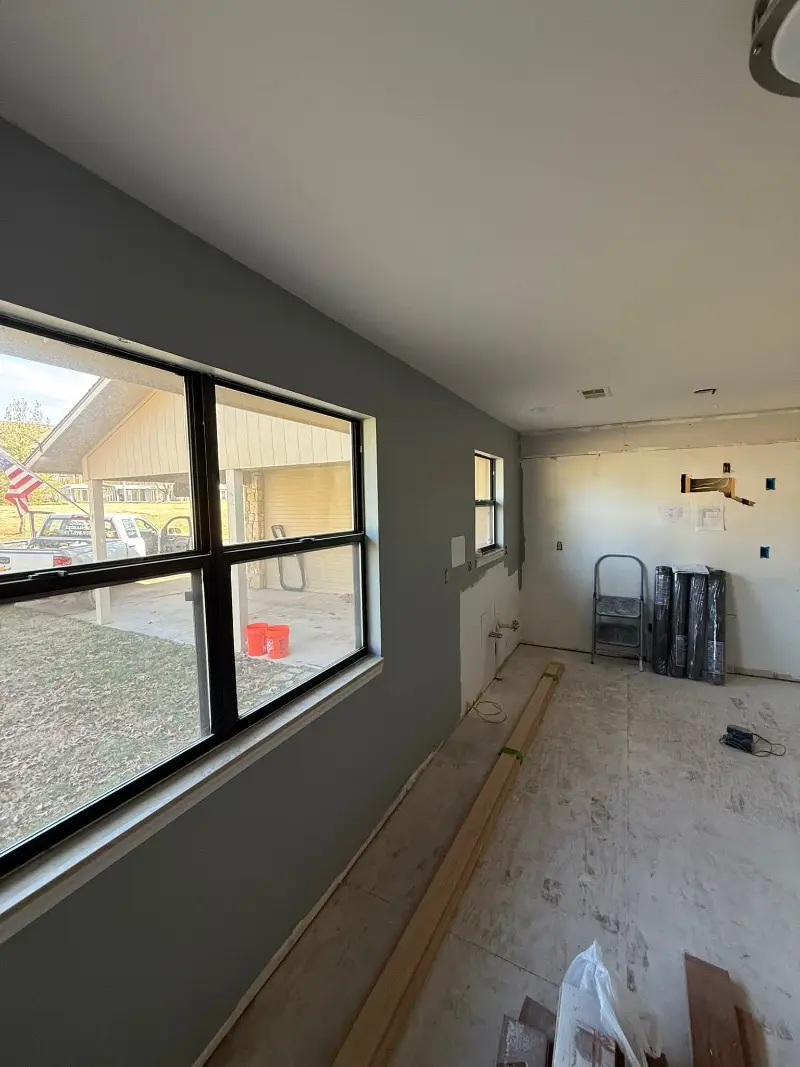
How our crew schedules bedrooms
- Bedrooms early in the day. That gives the room the afternoon and evening to air out before anyone sleeps there.
- Fresh air on a plan. Exhaust fans run, doors to the rest of the house stay closed, and windows are cracked when the weather allows.
- One bedroom at a time. On a whole-house job the room order is in writing, so there is always a finished, aired-out room to sleep in.
- Winter windows. With windows mostly shut in a Colorado winter, keep the heat on and the fans running, and keep indoor humidity near the EPA’s 30 to 50 percent range so the paint dries evenly.
Low-VOC and zero-VOC paint
Most interior wall paint today is water-based, and many lines are sold as low-VOC or zero-VOC. Those labels lower emissions; they do not make ventilation unnecessary. If odor is a concern for your household, tell us before the estimate and we will name the exact product on it so you can read its data sheet.
Kids, pets and sensitive sleepers
We are painters, not doctors. If someone in the house is an infant, pregnant, has asthma or reacts to odors, the cautious plan is for them to sleep in another room the first night and to ask their doctor if they have specific concerns. Pets do best kept out of rooms with wet paint and closed doors.
Planning several bedrooms this winter? See how we run a winter interior job with you living at home, or price the rooms with the interior cost calculator.
Quick questions
How long after painting can I sleep in the room?
Once the paint is dry to the touch and the room has had several hours of fresh air is a common, practical point for most adults. Paint keeps curing afterward, so keep ventilating for the next few days.
Should a baby sleep in a freshly painted nursery?
The cautious approach is to paint the nursery well ahead of time, air it out thoroughly, and ask your pediatrician if you have concerns.
Does opening a window help in winter?
Yes, even for short periods. Combined with exhaust fans and keeping the heat on, it brings in fresh air without dropping the room below the temperature on the paint label.
Sources
Every figure on this page comes from the source listed. Checked October 30, 2026.
- Volatile organic compounds’ impact on indoor air quality, U.S. Environmental Protection Agency
- A brief guide to mold, moisture and your home, U.S. Environmental Protection Agency, indoor humidity guidance
Plan your bedrooms
Tell us which bedrooms and when you need them. We will plan the room order so you always have somewhere to sleep.
Prefer to talk it through? 720-208-5645